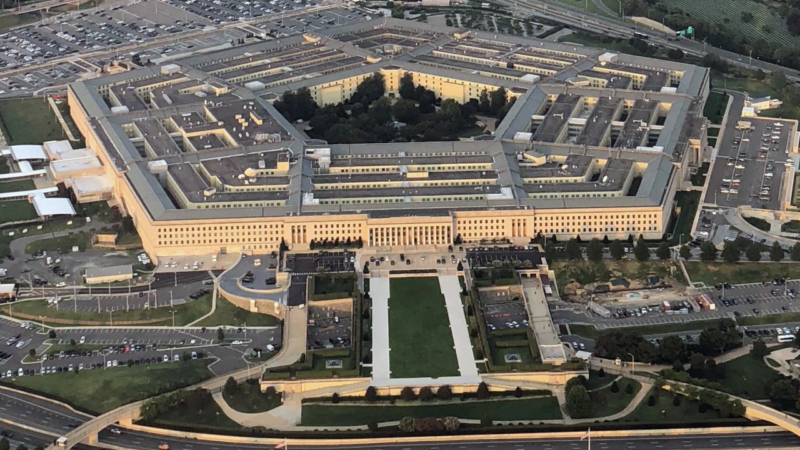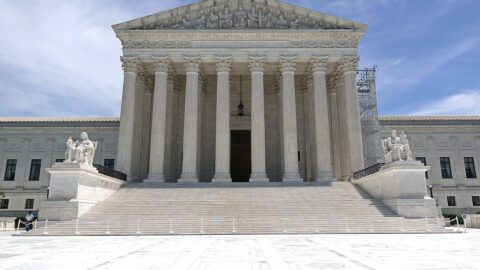

The U.S. Supreme Court has declined, for now, to speed up a Democratic challenge to a federal policy on discounted political advertising rates, leaving the rule in place just weeks before the November midterm elections, according to reports.
Chief Justice John Roberts issued an emergency administrative stay that prevents the Federal Communications Commission from being forced to immediately resolve the challenge, which was brought by four Democratic congressional candidates. The dispute centres on an FCC policy that allows political party committees and certain joint fundraising organisations to buy television and radio advertising at the discounted rates traditionally available to individual candidates.
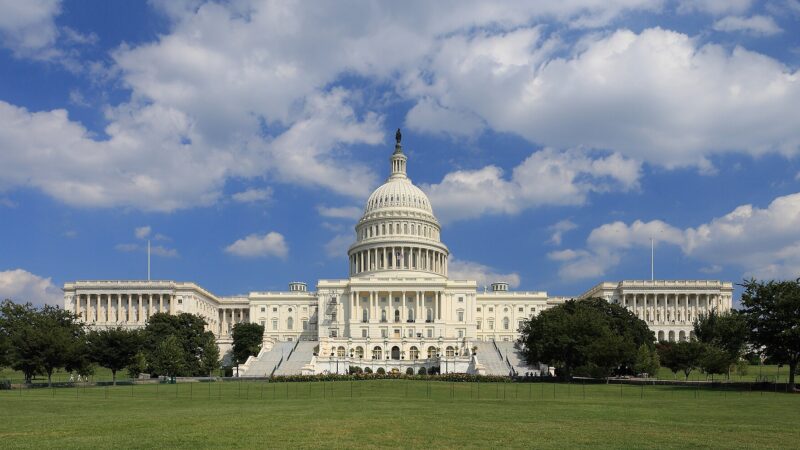
The financial stakes are significant as both parties compete for control of Congress. The policy gained greater weight after the court in June struck down federal restrictions on spending coordinated between parties and their candidates. Since that ruling, Republican committees have moved well past the former national caps, while Democratic counterparts have exceeded them by much less, according to federal spending disclosures.
An appeals court had ordered the FCC on October 7 to rule promptly on the Democratic challenge, which was filed more than five months earlier, saying its willingness to tolerate delay was at an end. Thursday’s order marks the second time in five weeks that the Supreme Court has intervened in the advertising dispute; in September, the justices said the Democratic candidates must wait for the FCC to rule before filing a challenge in court.
The cash picture helps explain the fight. The three main national Republican committees ended August with about $233 million in cash, while their Democratic counterparts held roughly $130 million but also carried nearly $18 million in debt, according to federal filings cited in reports. Discounted broadcast rates stretch every dollar further in the most expensive weeks of the campaign.
For voters, the practical effect is that the current advertising rules will govern the final sprint to Election Day. The discounted-rate window for political ads opened on September 4, covering the 60 days before the general election. Whether the FCC acts before voters head to the polls, and whether the courts revisit the question afterwards, remains to be seen.