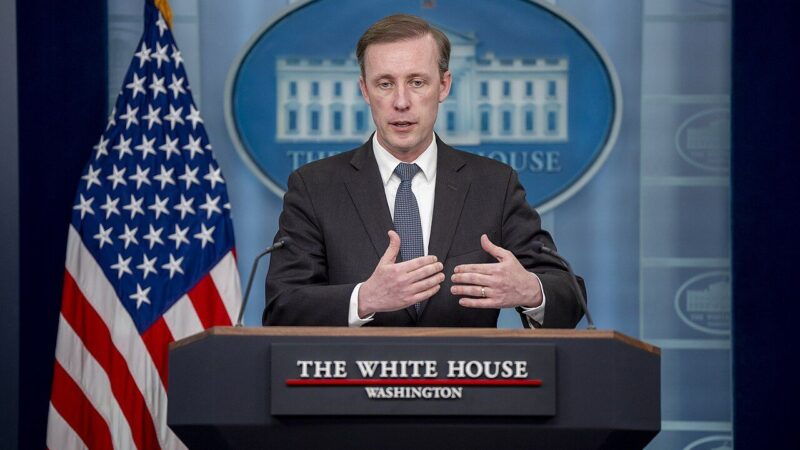

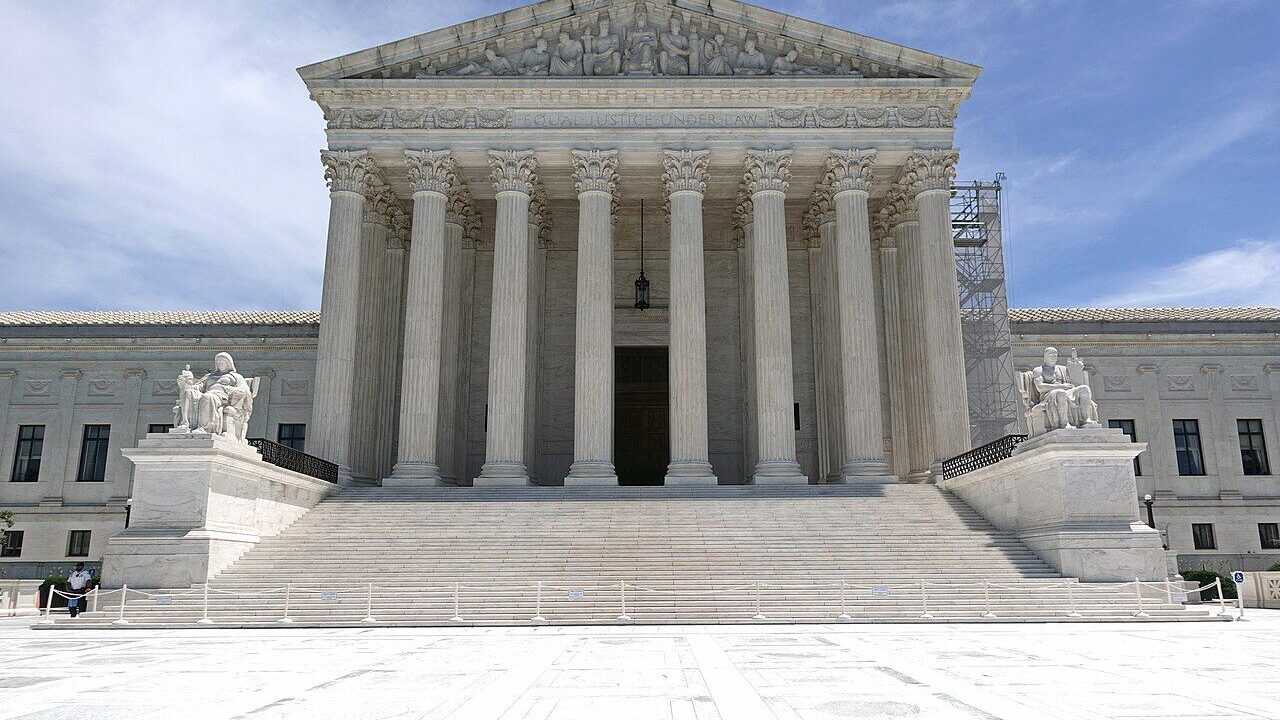
On October 9, 2026, a U.S. federal court blocked most of President Donald Trump’s sweeping tariffs, in a ruling that boosted markets and cut to the constitutional foundation of his trade strategy: who, in the American system, gets to tax imports.
The three-judge panel of the U.S. Court of International Trade — the specialist court for trade law — said the president had overstepped his authority, in cases brought by businesses that pay the tariffs and by state governments challenging them. Tariffs are taxes, and the Constitution hands the taxing power to Congress; modern presidents have levied them under statutes Congress wrote for narrower purposes — national emergencies, unfair trade, specific industries. The court’s ruling says the emergency lever cannot be pulled to build a general tariff regime: the decision goes to Congress’s power of the purse, and it could force the White House to rebuild its programme statute by statute, on narrower legal ground, with slower timetables and easier targets for the next lawsuit.
The administration filed an appeal, setting up a fight that importers and foreign governments will watch closely. Markets boosted by the ruling were pricing relief for companies that pay duties at the border — but relief by injunction is provisional, and every importer now faces a lawyer’s version of the same question: price goods for the world where the tariffs stand, or the world where they fall?
The appeal decides the doctrine
However the appellate courts rule, the case will define the emergency-powers era of trade policy: whether a president can govern commerce by declaration, or must persuade Congress to hold the pen. Foreign capitals, mid-negotiation with Washington, are recalculating what a signature from this White House is worth in court. GlobeNews9’s World & Politics Desk will follow the appeal as briefs and rulings land.
Importers, meanwhile, cannot wait for jurisprudence. Contracts signed this quarter will quietly allocate the legal risk — duty clauses, price reopeners, routing through third countries — turning a constitutional question into paperwork, which is where trade law actually lives.
Related reading: Trump Says He Will Not Resume Iran Strikes Before November Midterms · Reports Say Pentagon Prepared Iran Strike Options Before Midterms · Trump Budget Blueprint Seeks Deep Domestic Cuts and Higher Security Spending