
Scientists have identified the smallest archaeal genome ever recorded — a marine microorganism carrying just 238,034 base pairs of DNA encoding only 189 proteins — in a discovery published in the peer-reviewed journal Current Biology and reported October 9 and 10.
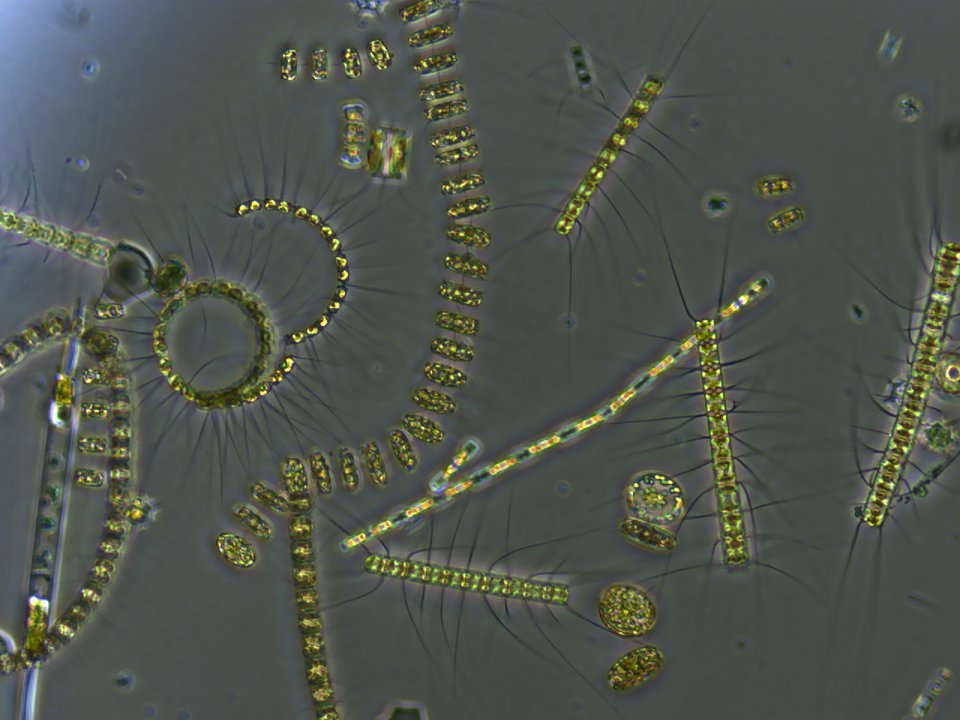
The organism, named Candidatus Sukunaarchaeum mirabile after a small Japanese deity, was found inside a single drifting cell of ocean plankton. Its genome is less than half the size of the previous record-holder, Nanoarchaeum equitans, at 490,000 base pairs — and it encodes fewer proteins than many large viruses. Yet unlike viruses, it holds onto the one feature biologists have long used to separate cellular life from the viral world: its own ribosomes.
What the microbe kept is as striking as what it lost. According to the researchers, Sukunaarchaeum retains the genes needed to copy its DNA and build proteins, but has shed nearly all the genes required to produce its own nutrients and energy. That leaves it almost entirely dependent on a host organism for survival — a virus-like existence while maintaining a cellular identity, and a living challenge to textbook definitions of the minimal requirements for life.
The international team, including researchers from the University of Nottingham and the University of Tsukuba in Japan, uncovered the organism by analyzing the genetic material of individual marine microorganisms. Co-author Thorsten Allers, a professor in Nottingham’s School of Life Sciences, said the discovery “provides new clues about how simple a living cell can become while remaining capable of reproducing and maintaining its own genetic information.”
Beyond the record books, the finding has wider implications. It suggests that oceans may harbor many more such stripped-down microbes, detectable only through advanced single-cell DNA sequencing — and it expands the range of relationships and conditions under which life can persist, a point of interest for astrobiologists studying where life might exist beyond Earth.