
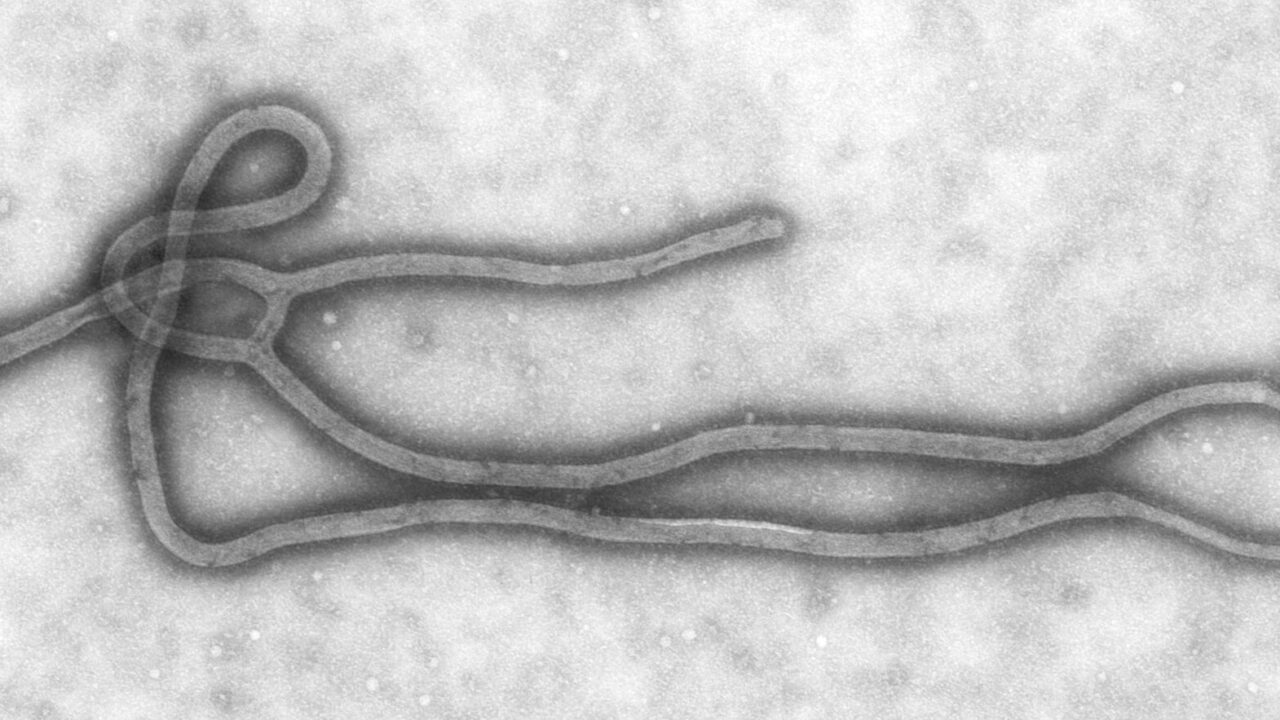
On October 9, 2026, border surveillance gaps in the Central African Republic were raising concern among Ebola response officials, who warned that porous frontiers can move patients and their contacts faster than screening posts can record them.
Ebola control is, at its core, an information discipline. Outbreaks are extinguished by lists: who is sick, who was near a case, who crossed into which village, who needs twenty-one days of follow-up. Screening posts at formal border crossings can temperature-check travellers and log names, but the Central African Republic’s frontiers are long, forested and crossed daily by traders, herders and families using informal paths that no post observes. A single unrecorded crossing by someone incubating the virus does not start an outbreak by itself — but it can seed one in a community with no alert, no isolation facility and no contact tracers, where the first signal may be a cluster of deaths days later.
According to the reporting, the present worry is less a confirmed surge than a structural fear: that weak border surveillance lets a small transmission chain become a long one before anyone with the tools to break it knows it exists. Regional health teams have hard experience to draw on. The great West African epidemic of 2014–16 and repeated outbreaks in the Democratic Republic of Congo both showed how movement — to markets, funerals, treatment centres and family across borders — outruns static checkpoints, and how response improves when surveillance follows communities rather than waiting at crossings.
What closes the gap
The remedies officials describe are unglamorous: community-based surveillance that pays village informants to report unusual illness, cross-border notification agreements so a case found on one side alerts teams on the other, rapid-response capacity that can reach a remote alert within days, and the laboratory links to confirm or clear a suspicion quickly. None of it photographs as dramatically as a treatment unit, and all of it costs less than one uncontrolled outbreak.
For now, the concern stands as a warning rather than a count of cases. GlobeNews9’s Health & Science Desk will report confirmed developments from regional health authorities as they are announced.
Related reading: A Break From Training Costs Fitness Faster Than Many Expect · France's Pink October Turns Breast Cancer Screening Into a National Reminder · Targeted Leukaemia Drugs Move Into Wider Combination Testing