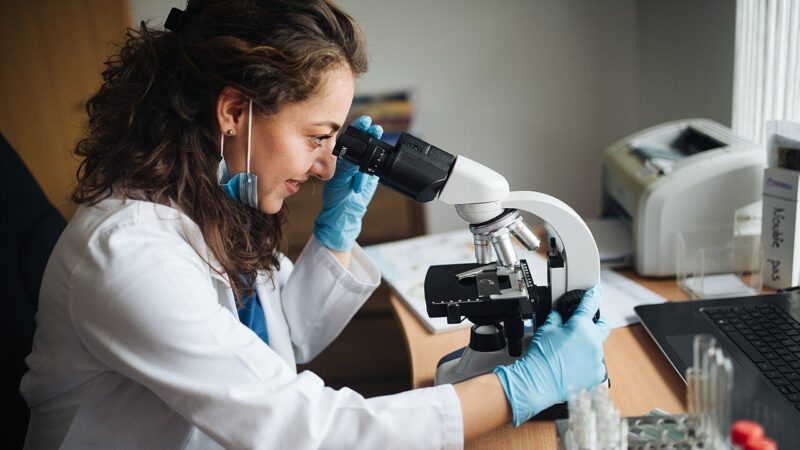

On October 9, 2026, the World Health Organization requested additional information from Russia after the death of a laboratory worker at a plague research institute in Siberia — an episode that shows how a single unexplained laboratory death becomes an international health question within hours.
Russian authorities said no confirmed plague cases had been detected among contacts of the deceased worker, while around 200 people were initially quarantined as investigations continued. WHO said the current public-health risk remains low — a judgment that depends entirely on two things happening fast: information sharing from the institute where the death occurred, and rigorous monitoring of every contact through the incubation window. Plague is a known quantity in global health: endemic in parts of the world, treatable with antibiotics when identified early, and terrifying mainly when information arrives late. The bacterium’s presence in Siberian research collections is likewise no mystery; plague institutes exist across the former Soviet research network precisely because the organism circulates in regional rodent populations.
What WHO is purchasing with its request is visibility. International health regulations oblige member states to notify events that may constitute a public-health emergency of international concern, and a laboratory worker’s death at a plague institute, cause not yet public, sits squarely in the category where confirmation matters more than reassurance. The quarantine of some 200 contacts reads, in that light, as precaution operating at proper scale — wide enough to catch a chain, bounded enough to release as tests clear.
Low risk is a verdict that must be re-earned daily
The risk assessment stands or falls on the contact monitoring: if no secondary cases emerge through the incubation period and the cause of death is established as non-transmissible or contained, the episode closes as a tragedy and a systems lesson. If confirmation lags, the rumour economy documented in every outbreak fills the gap. GlobeNews9’s Health & Science Desk will report WHO’s and Russian authorities’ updates as they are issued.
Related reading: A Break From Training Costs Fitness Faster Than Many Expect · France's Pink October Turns Breast Cancer Screening Into a National Reminder · Targeted Leukaemia Drugs Move Into Wider Combination Testing