
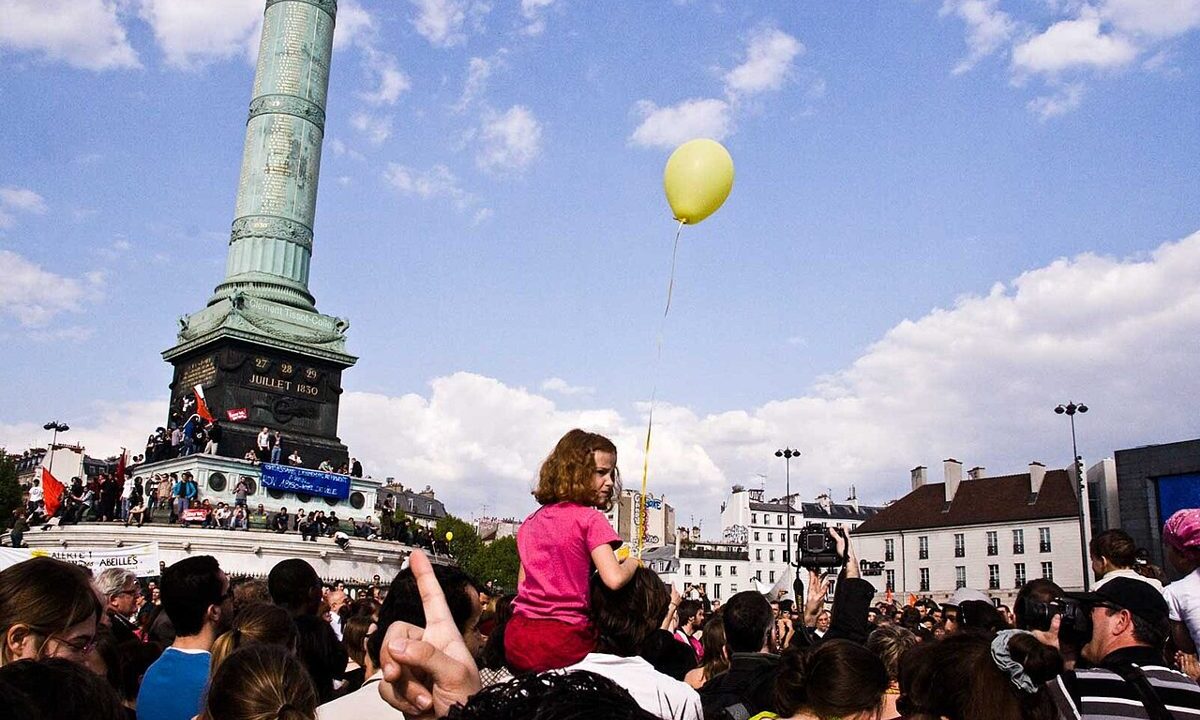
The protests rattling President Emmanuel Macron’s government did not start as a single movement with a single demand. They grew from initial student discontent into a much wider mobilisation, drawing in trade unions and yellow vest activists known for mass demonstrations against economic pressures including high fuel costs. On Saturday, unions called nationwide demonstrations to denounce the high cost of living and public services, and the interior ministry deployed 70,000 police in response. That breadth, from classrooms to union halls to the yellow vest roundabouts, is what makes the movement hard for the government to negotiate with, because there is no single table at which it can be settled.
Why living costs cut so deep
Cost of living protests are rarely only about prices. They are about the feeling that work no longer buys the life it used to buy, and that public services, the schools, clinics and transport that make a household budget work, are thinning at the same time. When unions frame the issue as both prices and services, they are speaking to households that feel squeezed twice, once at the till and once when a service they rely on is cut or crowded. Student discontent fits the same pattern from the other end of life: young people entering a housing and jobs market that feels harder to enter than the one their parents entered, and concluding that the system is not delivering on its promises.
What the government faces next
Interior Minister Laurent Nunez said on Monday that authorities expect further disturbances during demonstrations planned for October 31, and that the huge police presence on Saturday prevented a repeat of violence seen nine days earlier. Containment, however, is not resolution, and the movement shows little sign of easing. The government’s problem is that policing can manage a Saturday, but only policy on prices, wages and services can shrink the grievance that fills the streets. Until that grievance is addressed in terms protesters recognise as real, France is likely to keep living on a cycle of mobilisation, containment and warning, with each weekend’s policing becoming the next weekend’s grievance in turn.