

Rabies, a disease many Americans think of as a relic of the past, is making an unsettling comeback, with unusual outbreaks putting health officials in several states on alert.
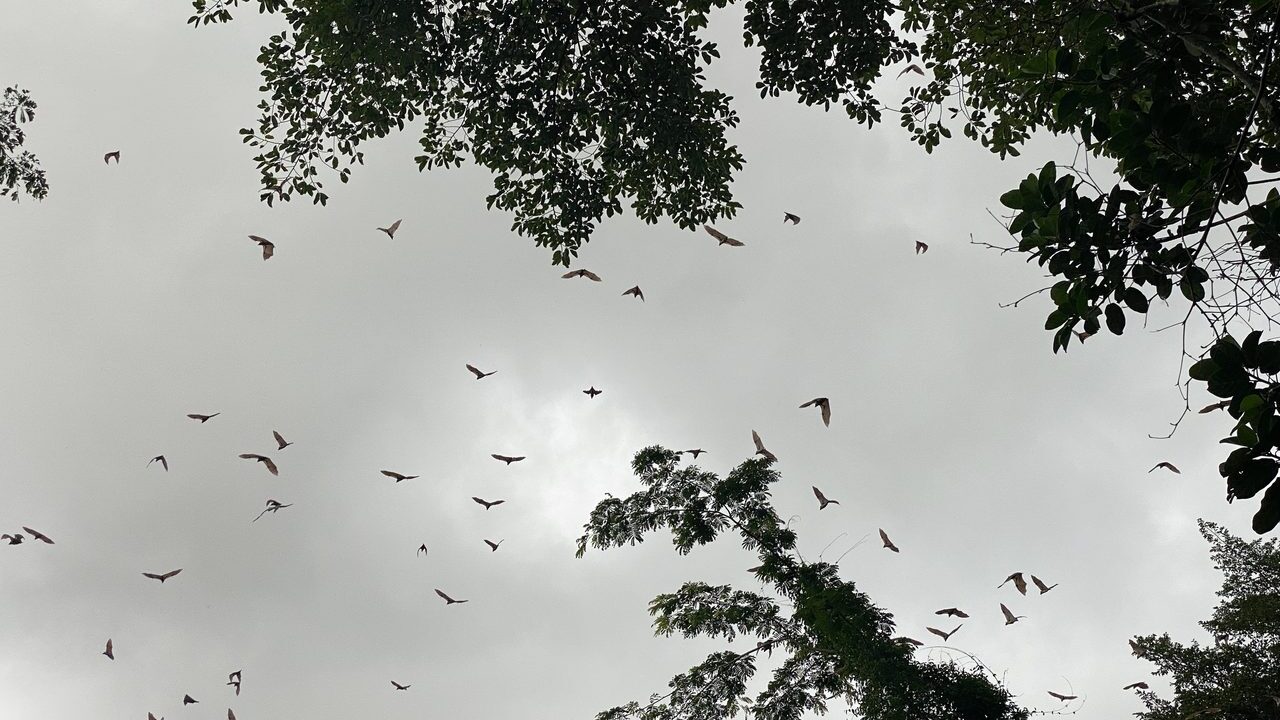
The New York Times reports a string of odd cases in recent months: rabid beavers at a Maryland state park, a cluster of goat cases at a North Carolina petting zoo, and surges in animal cases flagged by officials in Idaho and Alabama. California has set an annual record for rabid bats.
Rabies is almost always fatal once symptoms appear, which is why public health officials treat every unusual cluster seriously. The virus spreads through saliva, usually via bites, and prompt vaccination after exposure is highly effective.
Why now
Experts point to a mix of factors: expanding wildlife ranges, closer contact between people and animals, and surveillance that is better at finding cases. Whatever the mix, the pattern is familiar from other resurgent diseases. Kenya is still containing an Ebola outbreak, while Bangladesh has lived through the world’s worst measles outbreak this year.
Bats remain the leading source of human rabies deaths in the United States, which makes California’s record bat numbers particularly concerning for epidemiologists tracking the trend.
What to do
Officials advise keeping pets vaccinated, avoiding wild animals that behave strangely, and seeking immediate medical advice after any bite or scratch from an unfamiliar animal. It is the same simple guidance that has kept human cases rare, and it works only if people follow it.
The full picture, laid out in this health news roundup, is a reminder that old diseases do not stay gone on their own.