
Trump Says He Is Inclined to Resume Iran Strikes After New Year if Talks Fail
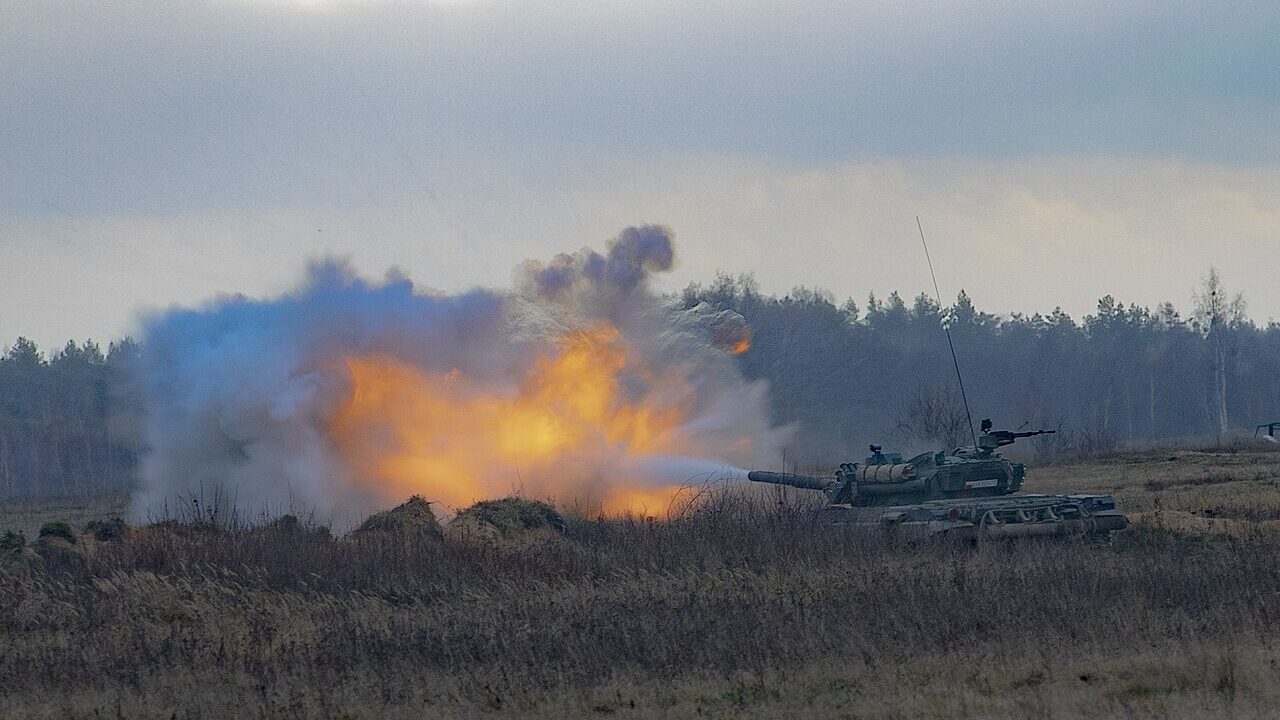
President Donald Trump said he is inclined to resume military strikes against Iran after the New Year if negotiations fail to produce an agreement, according to reports, voicing frustration over indirect talks with Tehran that he says have made no progress. The warning adds fresh uncertainty to a conflict that has already disrupted oil markets and shipping through the Strait of Hormuz for much of this year.
Trump also accused Iran of growing more aggressive after the midterm elections, and he linked a recent surge in attacks to the political calendar, according to reports. He emphasized the American naval blockade of Iranian ports, warning of serious consequences if Tehran tries to break it. The remarks came as his administration continues to press for a deal while keeping military options open.
Oil markets watch for escalation
Energy markets have been watching every signal from Washington and Tehran. Benchmark Brent crude has dropped by more than 20 percent since the start of the month to just over 90 dollars a barrel, according to Reuters, and fading fears of a major escalation in the US Iran war have driven the decline. Oil flows through Hormuz slowed to around 9.5 million barrels per day in the 10 days through November 19, down from an average of 12.2 million barrels per day in October, according to shipping analytics firm Kpler.
Yet the recovery may be fragile. The Middle East disruption has resulted in the loss of nearly 3 billion barrels of oil, more than any previous crisis, according to reports, forcing consumers to draw heavily on inventories, which have fallen by a cumulative 462 million barrels since the start of the war, according to the International Energy Agency. Plentiful crude supplies are masking a stubborn diesel shortage, analysts warn, and any lasting recovery hinges on easing tensions that are far from assured.
What happens next
The New Year deadline gives both sides weeks, not months, to find common ground. Indirect talks have so far produced little visible progress, and Trump description of the negotiations as fruitless suggests patience in Washington is wearing thin. For Tehran, the choice is between concessions that its leadership has long resisted and the risk of renewed strikes against a country already under a naval blockade.
For the rest of the world, the stakes are practical as well as political. A new round of strikes could send oil prices higher, disrupt shipping again, and test the fragile recovery in fuel markets, while a deal could steady both. Neither outcome is certain, and the coming weeks will show whether the threat of force pushes the talks forward or pushes the region back toward open conflict.