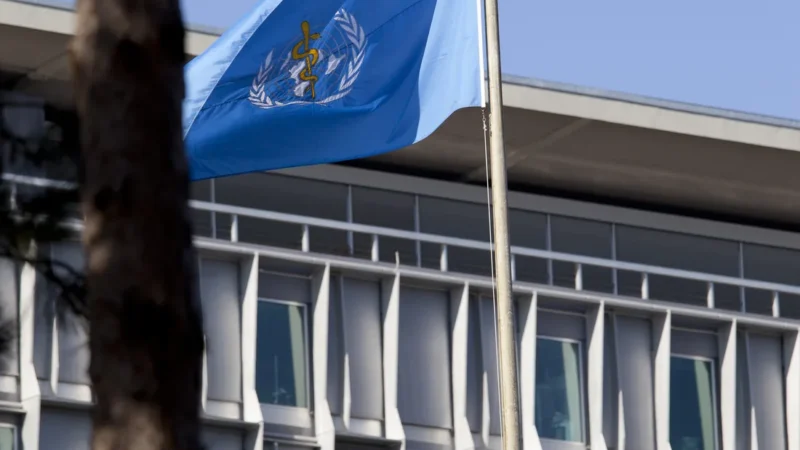


The Ebola outbreak in the Democratic Republic of Congo has spread to an eighth province, North Ubangi, health officials confirmed, in a worrying expansion of an epidemic that has already caused around 9,415 cases and 4,536 deaths. The World Health Organization has described the situation as a regional concern, and Nigeria has opened an investigation into the risk of cross-border spread.
The latest figures make this one of the most serious Ebola outbreaks in recent years. The Bundibugyo strain, less well understood than the better-known Zaire strain, has complicated the response: vaccines and treatments developed for other strains may be less effective, forcing health workers to rely more heavily on classic containment measures such as contact tracing, isolation and safe burials.
A strained response
The outbreak is unfolding in one of the world’s most difficult operating environments. Eastern Congo’s health system was already stretched thin before the epidemic, and insecurity in parts of the country has hampered the movement of medical teams. International partners, including the WHO and medical charities, have scaled up support, but funding gaps remain a persistent problem.
The spread to North Ubangi is particularly concerning because it moves the outbreak closer to new population centres and transport corridors. Each new province adds complexity to a response that depends on speed: Ebola spreads through close contact with bodily fluids, and breaking chains of transmission requires finding every case and every contact, quickly.
Regional vigilance
Nigeria’s decision to formally assess the risk of importation shows how seriously neighbouring countries are taking the threat. Airport screening, public awareness campaigns and preparedness drills are being stepped up across the region. The public-health lessons of recent outbreaks are being applied in real time. For the latest official updates, see UN News coverage, and our earlier world desk reporting on the region’s overlapping crises.