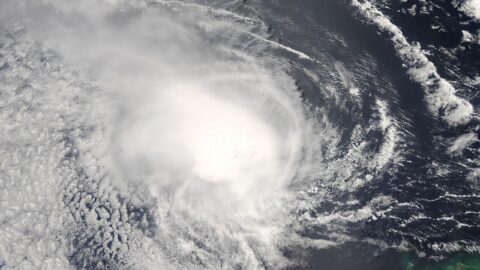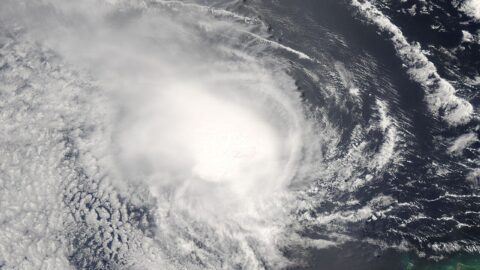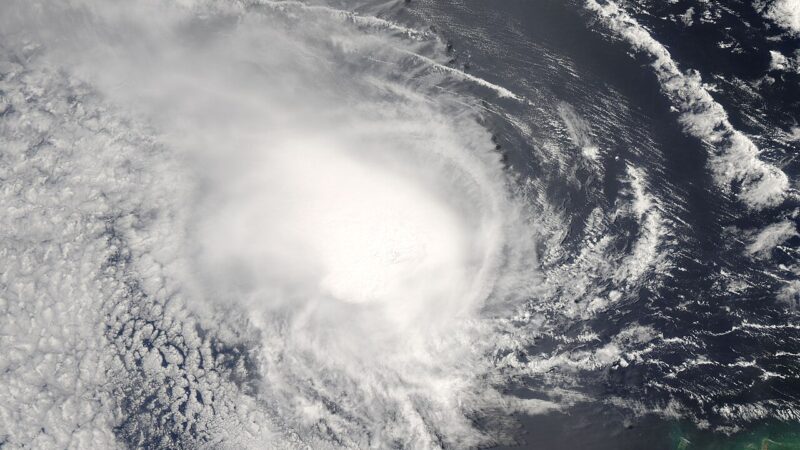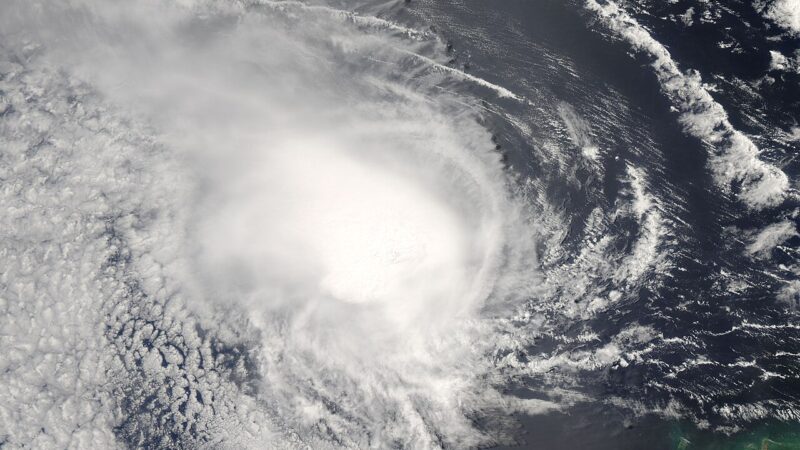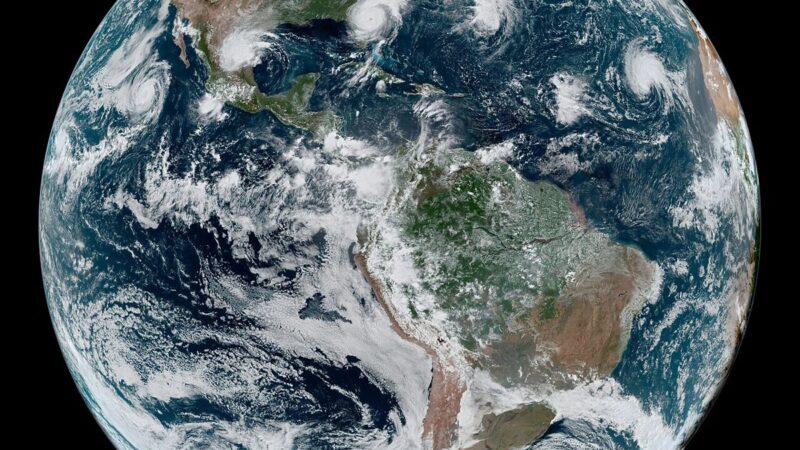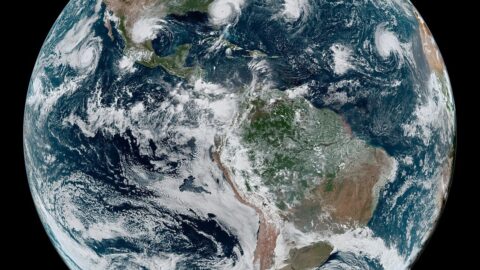

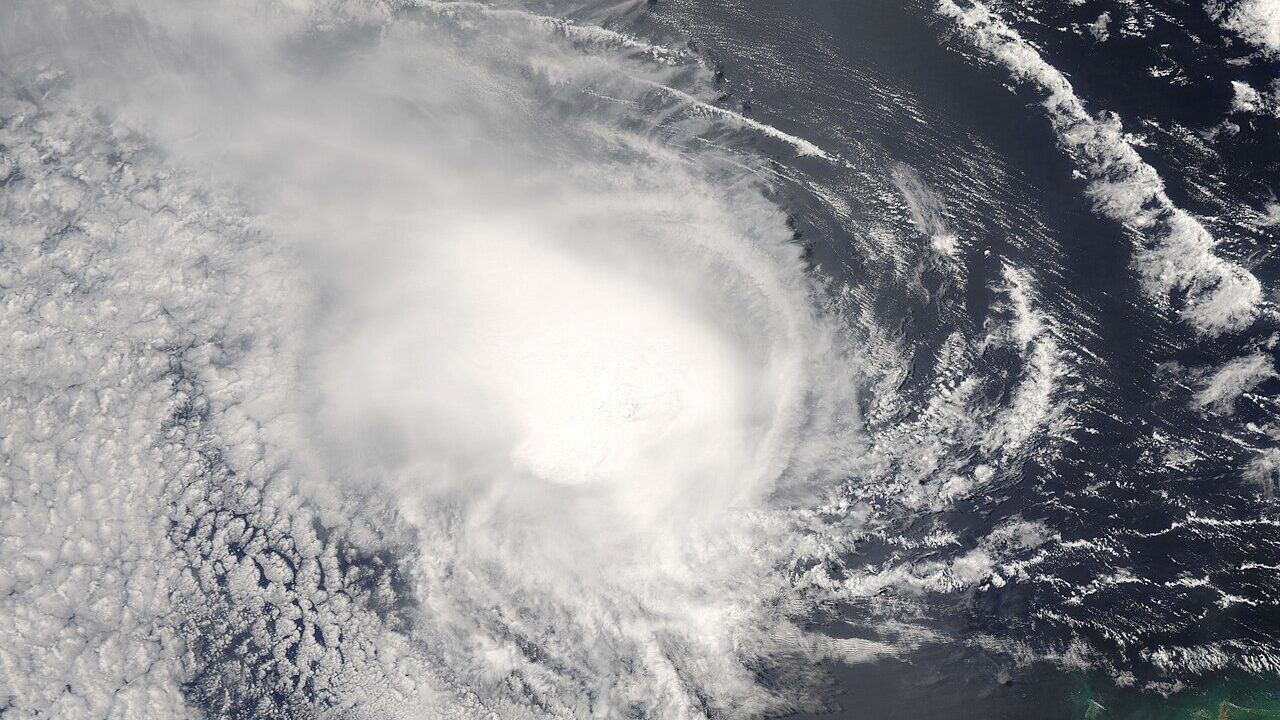
A storm crossing the country brought a wet Election Day to the central United States, complicating travel to polling stations in several states. Forecasts pointed to rain and the risk of severe thunderstorms across parts of the southern United States on Tuesday and Wednesday, a pattern that election officials watch closely because heavy rain can slow queues, close roads and force last minute changes to polling places. Flooding had already moved a polling centre and closed a drop box in Archuleta County, Colorado, according to election night reporting.
Election officials have standard responses for weather disruption, and they matter more than the forecast itself. A moved polling centre must be communicated through official channels, not only through social media, because voters who arrive at the old location need clear directions to the new one. A closed drop box affects voters who planned to return a mail ballot on Election Day, and those voters need an alternative drop location or a polling place where they can vote in person. The key message in both cases is to check the state or county election office before travelling.
Weather is a turnout variable, not a result
Research on weather and voting consistently finds that bad weather depresses turnout modestly, with larger effects where travel is already difficult or where voting requires a long journey. That effect is not evenly spread: rural voters, older voters and voters without a car are more affected than urban voters with short trips. Election Day weather therefore matters most in close races, where a small change in who votes can change the margin, even though weather itself does not favour one party in a simple way.
The Election Day reporting on Tuesday notes the storm alongside the voting itself, a reminder that administration is part of democracy. Poll workers, road crews and county officials are the unglamorous infrastructure of an election, and their work on a wet day determines whether voters can reach a ballot box safely and on time. Voters in affected counties should allow extra travel time and check for updates from their county office during the day.
Practical advice for wet day voters
Check the polling place before leaving, take identification required by your state, and plan for queues that move more slowly in rain. If a road is closed, follow official detour information rather than improvising a route that may also be flooded. If a drop box is closed, use the alternative published by the county. The storm will pass, but a missed vote cannot be cast later, which is why officials publish contingency information early and repeat it through the day.