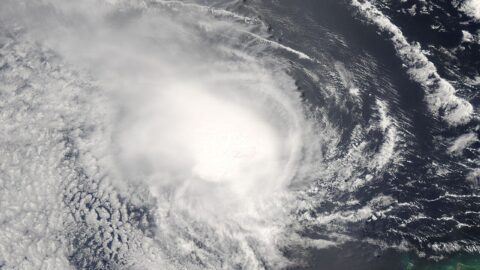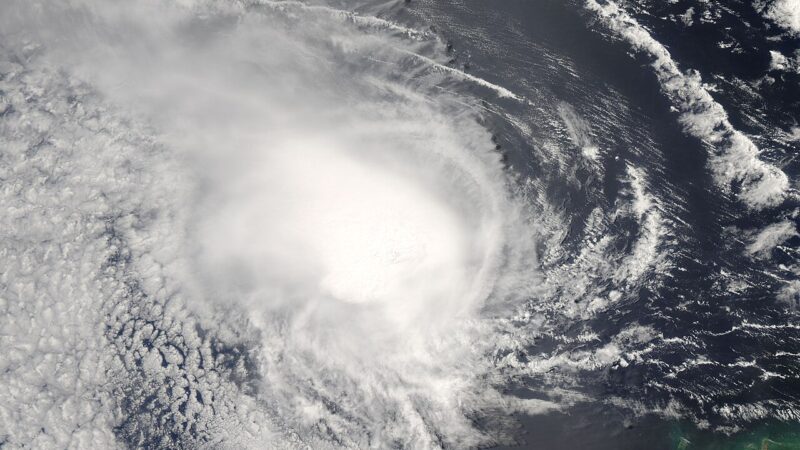

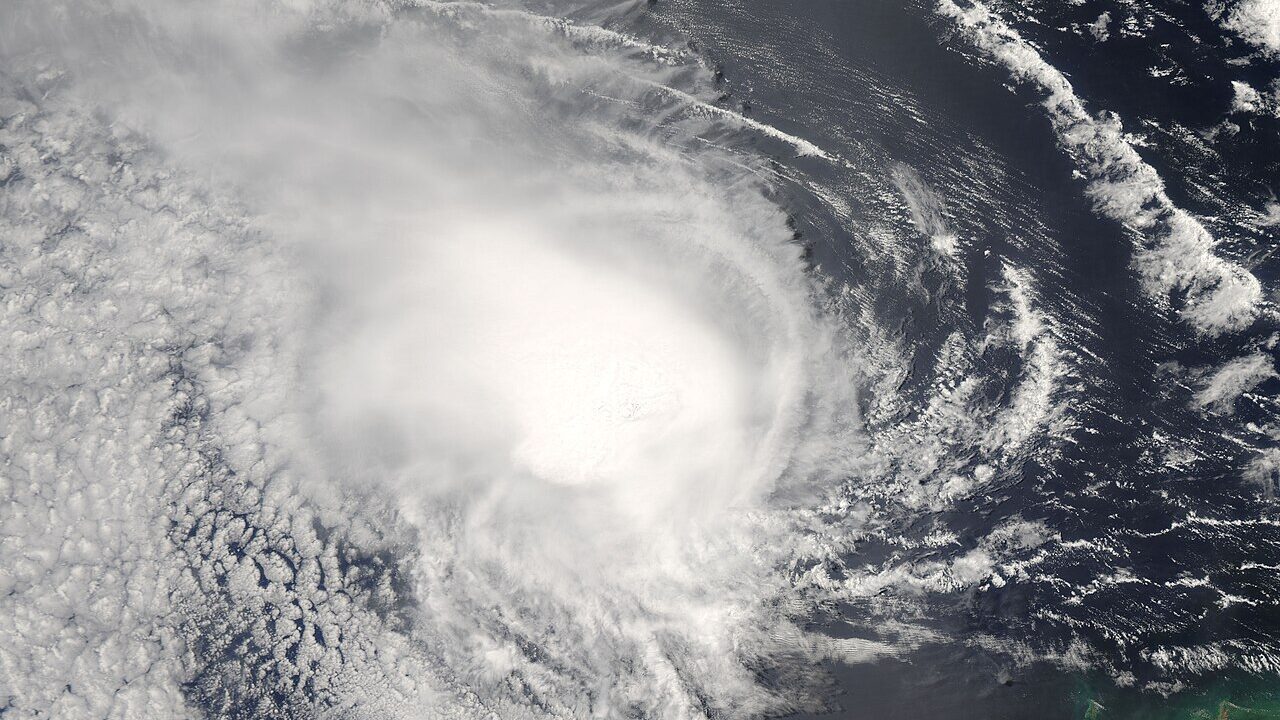
Odisha is evacuating again, before it has finished counting the cost of the last storm. As Cyclone Murasu approached the coast on Monday, the state restarted evacuation in Ganjam, Gajapati and Kandhamal, particularly in landslide prone areas, even as restoration work continued in districts affected by Cyclone Arnab. The new system, moving west northwest at 22 kilometres per hour, is expected to cross the south Andhra Pradesh coast between Nellore and Narsapur late on Monday night or early on Tuesday morning, with wind speeds of 100 to 110 kilometres per hour after landfall.
The overlap is the story. Arnab made landfall in Andhra Pradesh on October 28, and its floods affected 1.18 lakh people in Odisha, damaged 75,388 hectares of crop area and damaged 1,672 houses, according to the Special Relief Commissioner. The death toll in Odisha rose to six on Sunday, with the recovery of two bodies from a landslide hit village in the south, while search continued for 10 missing people. A special relief package has been announced for affected families. Now, with soil already saturated, heavy rainfall is expected to return to the same districts, raising the risk of fresh landslides and flooding.
Power restoration shows how far recovery had progressed before Murasu arrived. Electricity supply has been restored to 17,72,028 out of 17,88,942 affected consumers in Odisha, achieving 99.05 percent restoration, according to the Revenue and Disaster Management Minister. Drinking water facilities and road connectivity are also being restored, with water tankers and medical teams deployed. In Ganjam, the number of cut off villages fell from 70 on Thursday to three by Saturday, and food stocks are reported sufficient for 15 to 20 days. That progress is now exposed to a second storm.
Two fronts at once
Officials describe work on two fronts: relief and rescue for Arnab affected people, and preparation for Murasu. The state has retained the arrangements made for Arnab and upgraded its machinery, ordered evacuation from low lying areas and hilly terrain before landfall, and announced closure of schools and colleges in some southern districts until November 3. Fishermen have been advised against venturing into the sea until November 4. The India Meteorological Department regional centre expects light to moderate rainfall in Odisha, with heavy rain in Ganjam, Gajapati, Rayagada, Koraput and Malkangiri, intensifying on November 3 and continuing through November 4 under the cyclone influence.
Andhra Pradesh is preparing on its side as well. Chief Minister N Chandrababu Naidu directed officials to expedite restoration after Arnab, install diesel generators at all mandal headquarters to keep mobile networks running, secure alternative power for all 4,500 BSNL towers in the state, restore damaged roads on a war footing, rebuild the protection wall near Kakinada, and desilt canals in Narsapur and Katrenikona to improve drainage in Konaseema and West Godavari. About 7,000 personnel are working on electricity restoration in Arnab affected areas. The Murasu preparations show a system that learned from Arnab: evacuate early, protect power and phones, and assume the second storm will test the repairs from the first.
What the next 48 hours will show
The next 48 hours will show whether that learning holds. If Murasu landfall is weaker than feared, the story will be a close call and a faster recovery. If it brings heavy rain to saturated ground in Ganjam and Kandhamal, the toll from Arnab, already six dead and 10 missing, could rise through landslides rather than wind. Either way, the pattern is now clear for India eastern coast: storms are arriving in pairs, and recovery can no longer be planned as a single event with a clean end.