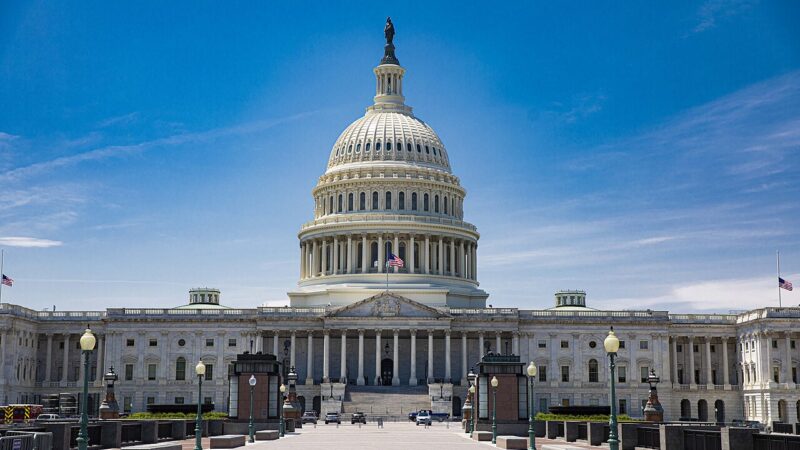


Harmeet Dhillon, head of the Justice Department Civil Rights Division, resigned from her post on November 5, in the first senior department exit after the midterm defeats. The division oversees voting rights and civil protections, which makes its leadership one of the most politically sensitive posts in the department, and the resignation followed the Republican losses on Tuesday by less than 48 hours. No successor has been named, and the department has not said whether the departure was planned before the election or prompted by its result.
Why it matters
The timing is what makes the resignation significant. Senior officials rarely leave in the days immediately after an election, and when they do, the departure is usually read as a signal about the direction of the administration that follows. A civil rights chief sits at the centre of the most contested questions in American law: who can vote, under what rules, and what protections the federal government will enforce. A vacancy there, at the start of a lame duck period and on the eve of a new Congress, leaves those questions without a confirmed voice at the table.
The division work does not pause for a vacancy. Cases in progress, investigations under way, and guidance issued to states and local governments all continue under career staff, but the political direction of the division is set by its chief, and a chief who has resigned cannot set it. The next chief will be chosen by a president who has just lost both chambers of Congress, and confirmed, if confirmation is sought, by a Senate that will soon be controlled by the opposition. That combination makes the appointment itself a test of whether the administration wants a fight or a caretaker.
What happens next
For voting rights advocates, the resignation is a moment to watch rather than a moment to celebrate. A chief who leaves can be replaced by someone more aggressive, someone more cautious, or no one at all for months. The division record under Dhillon will now be assessed by historians and by litigants, and the assessment will turn on the cases it brought, the cases it declined, and the guidance it gave to election officials in the states. None of that record changes because she has left, but the interpretation of it will.
What happens next will be visible in the first personnel announcement from the department. If a successor is named quickly, the administration is signalling continuity. If the post stays vacant into the new year, it will be read as an administration that has other priorities, or as one that expects a confirmation fight it would rather avoid. Either way, the first senior exit after a midterm defeat is rarely the last, and the pattern of departures over the next few weeks will say more about the administration future than any single resignation can.