Cenovus Energy has agreed to buy Athabasca Oil Corporation in a cash-and-stock deal valued at about C$5.7 billion, the latest and one of the largest moves yet in a decade-long consolidation of Canada’s oil sands industry.
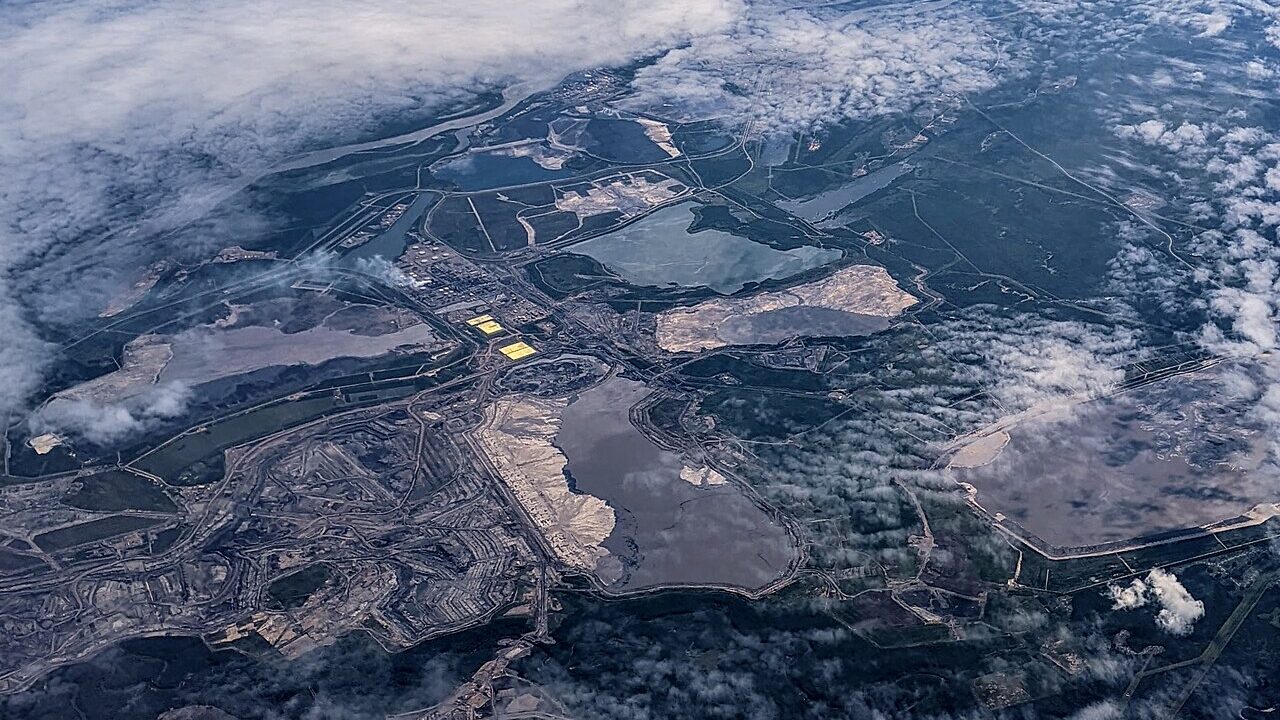
The transaction, announced on October 5, would add roughly 45,000 barrels of oil equivalent per day to Cenovus’s thermal oil sands production and fold Athabasca’s Leismer, Hangingstone and Corner projects into a portfolio already centred on Christina Lake. Under the terms, Athabasca shareholders can elect to receive C$12 in cash per share, a premium of about 13 per cent over the October 2 closing price, with cash capped at C$4.3 billion and the balance in Cenovus shares.
Why the deal matters now
The timing is no accident. With global crude benchmarks trading above $100 a barrel amid Middle East supply disruptions, oil sands assets are generating the kind of cash flow that makes consolidation arithmetic work. Cenovus says it expects about C$85 million in annual cost synergies and aims to lift output from the acquired assets to 115,000 barrels per day by 2032, while the assets carry more than 75 years of proved-plus-probable reserve life.
According to analysis from Wood Mackenzie, the deal pushes Cenovus’s share of total oil sands output to 21.5 per cent, and leaves 90 per cent of oil sands production in Canadian hands — more concentrated among the largest players than ever before. Cenovus, Canadian Natural Resources and Suncor have collectively spent about US$55 billion on acquisitions since 2017.
What investors are watching
Shareholders of both companies must still approve the transaction, alongside Canadian regulatory clearance, with closing expected in December. Cenovus shares slipped about 3 per cent on the announcement as investors weighed the premium and the funding mix of cash on hand plus short-term borrowings, which would lift pro forma net debt toward C$5.5 billion by year-end.
The broader signal for energy markets is that consolidation is far from finished: Athabasca was the largest remaining smaller-scale independent position in the oil sands, and its absorption leaves few meaningful independent operators outside the major Canadian incumbents. As industry coverage of the deal notes, the transaction also consolidates full ownership of the Duvernay Energy joint venture. Related coverage on this site’s Wall Street’s split session and Asia’s lower open shows how energy and equity markets are both wrestling with the same supply-risk repricing.