
Federal regulators have set out 10 prevention steps ahead of the 2027 growing season after closing their investigation into the largest cyclosporiasis outbreak ever recorded in the United States, according to reports.
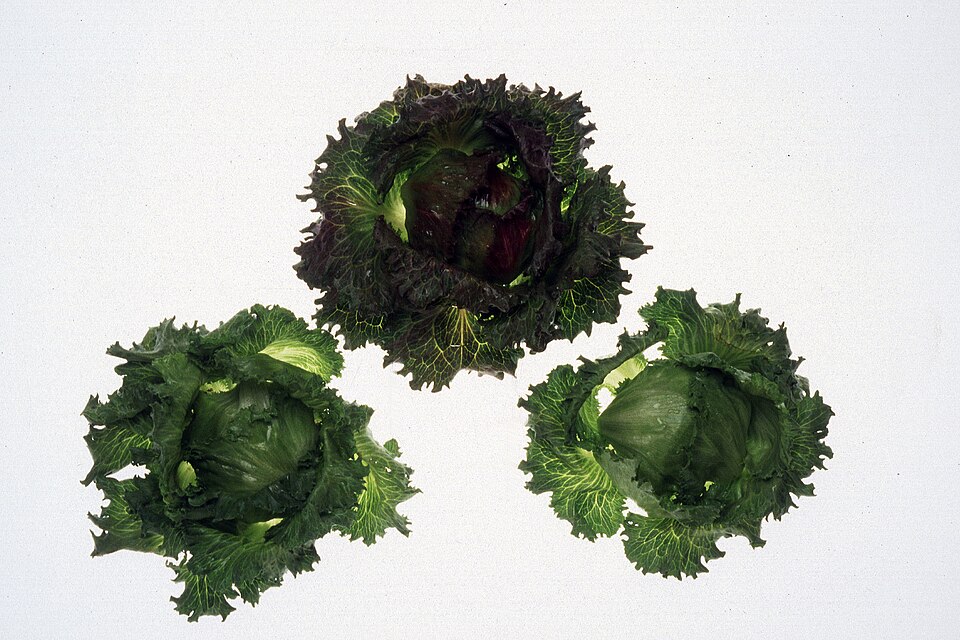
The outbreak, linked to shredded iceberg lettuce from central Mexico, sickened 12,883 people across 21 states, with at least 570 hospitalisations and two deaths, according to reports. Illnesses began between mid-June and mid-August. Health authorities declared the outbreak over on September 11 after infections fell sharply following recalls in mid-July, and investigators closed their inquiry on October 2, saying all recalled lettuce is off the market and there is no longer any risk of getting sick from this source.
Inspectors found the parasite in two environmental samples: a tank of outgoing wastewater at a processing plant in Mexico and a drainage ditch at a grower identified in the traceback. However, investigators said there is not enough evidence to conclusively determine how the contamination occurred, and no lettuce itself tested positive. Samples from patients are still being compared with the environmental findings.
The prevention plan focuses on agricultural water standards, supply-chain verification and rapid diagnostic response. Officials said the work underscores that their effort is far from over, even though the investigation file is closed. The contrast is uncomfortable: a record outbreak with a clear epidemiological link to one product, and still no proven route by which the parasite reached consumers’ plates.
The lettuce outbreak was the largest of several cyclosporiasis investigations this year. Nationwide, more than 19,000 laboratory-confirmed cases have been reported since May, a figure that includes illnesses never linked to the lettuce at all. That wider caseload is one reason officials say surveillance and testing will continue even though the headline outbreak is over.
For shoppers, the practical advice is unchanged: the recalled lettuce carried best-by dates no later than early August and should not be in any store or restaurant. For the produce industry, the message is that the 2027 season will be watched closely, with water quality and traceback speed at the top of the list.