

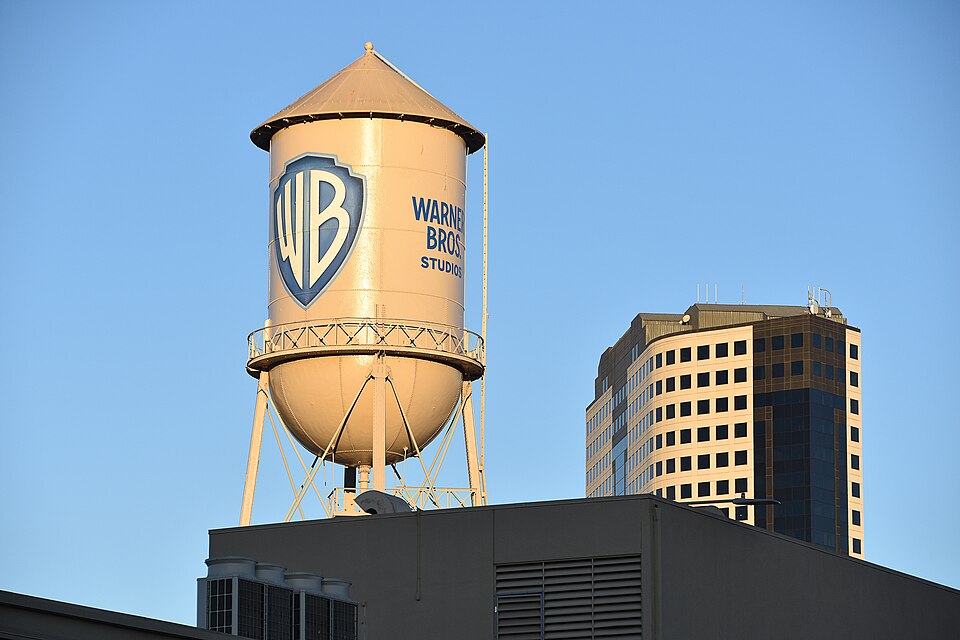
One of the largest entertainment mergers in U.S. history has closed, combining two historic Hollywood studios under a single parent company, and not everyone in the industry is celebrating, according to reports.
The deal, completed on Tuesday, October 6, brings together a major film studio, a broadcast network and a streaming service with another studio, a premium cable brand and a cable news network. The combined company will carry debt estimated at more than $80 billion, and shareholders in the acquired company received about $31.02 a share in cash, according to reports.
The closing followed a settlement with 12 states that had sued to block the acquisition on antitrust grounds. Under a five-year consent decree approved by a federal judge on September 30, the combined company must release at least 30 theatrical films a year for the first two years and 32 a year for the three after that, keep its California studio lots open, and spend at least $300 million more a year on U.S. film production than it did in 2025. Missing the film target costs $30 million per film, with most of that money going to film workers.
At the world premiere of his new movie this week, the creator of a celebrated streaming series warned that combining two historic studios threatens the business that allowed filmmakers like him to build their careers in the first place. He called the destruction of that architecture in the name of venture capital tragic, while noting that audiences have not stopped caring about movies and television.
For moviegoers, the immediate question is practical: will a combined studio still release a wide range of films in theatres, including the mid-budget dramas that have become harder to make? The decree’s film-output commitments are court-enforceable for five years. What happens after that, and how the company manages its debt while funding two studio slates, will decide whether this merger is remembered as a rescue or a turning point.