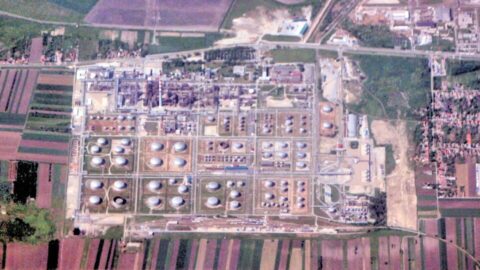


Ukraine struck and partly disabled a second major data center operated by the Russian technology company Yandex on Friday, October 9, in successive-day drone attacks that mark a widening of Kyiv’s campaign against Russian digital infrastructure, Reuters reported.
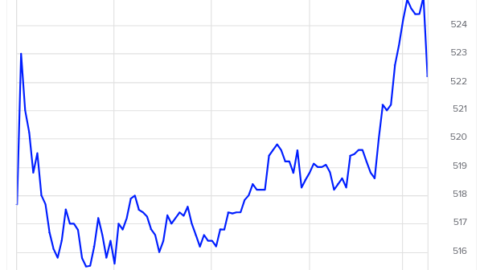
Yandex, which operates Russia’s dominant search engine and is heavily involved in the country’s artificial intelligence development, confirmed that Ukrainian drones hit its facility in the Kaluga region southwest of Moscow, knocking several modules completely out of operation. A day earlier, a Ukrainian attack shut down the company’s data hub in Sasovo, southeast of Moscow — a site housing two of the three supercomputers used to develop the company’s YandexGPT AI model. Yandex said it was facing a difficult challenge maintaining services used daily by millions of Russians, and its shares fell on the Moscow exchange.
Ukrainian arms maker Firepoint said Kyiv used its FP-1 one-way attack drones to mount the Kaluga strike, which it described as hitting Yandex’s biggest data center. Yandex confirmed some service disruptions but said no one was injured in either attack.
President Volodymyr Zelensky framed the strikes as retaliation, saying Ukraine responds “in mirror-like fashion” to Russia’s month-long campaign against Ukrainian data centers and telecommunications infrastructure, including targets in central Kyiv. The fallout is reaching ordinary users: one startup founder told Reuters that none of his dating app’s 8,000 users had been able to access it since Thursday, and the independent outlet Meduza reported Russian users having trouble reaching the Ivi streaming platform, the T-Bank banking app and the Russian Railways website.
Both Russia and Ukraine have expanded drone attacks this year on economic targets — from energy facilities and refineries to ports, grain vessels, e-commerce warehouses and now data centers. The strikes on Yandex represent the first confirmed attacks on Russian commercial computing infrastructure since the war began, introducing a new category of target in a conflict increasingly fought through the power grid and the cloud.