
On October 9, 2026, NASA released the preliminary science material from Artemis II — hundreds of gigabytes of images and audio from the crewed lunar flight, now open to researchers outside the mission teams.
The archive, as NASA describes it, spans the mission’s full arc: photographs of the Moon and Earth taken by the crew, imagery from inside the Orion capsule, handwritten crew notes, and audio recordings not previously released. It is the working record of the first crewed voyage to the Moon in more than half a century, published while the formal analysis is still young.
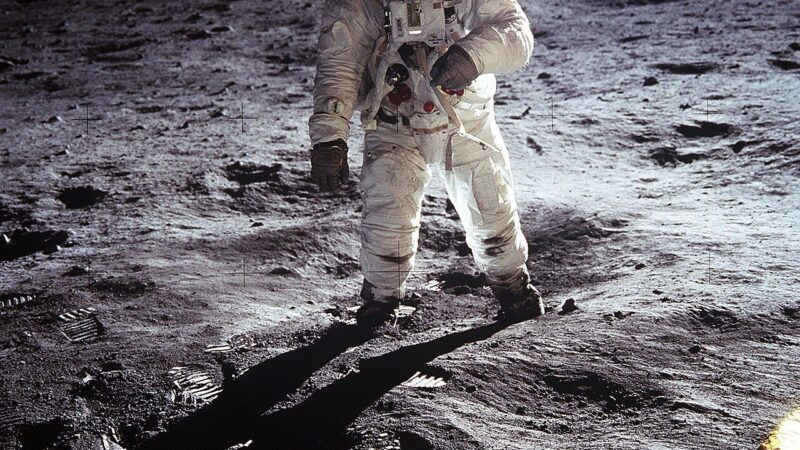
Open releases of this kind have a track record that justifies the fanfare. Mission teams, racing a flight schedule, analyse what operations demand first; outside researchers, students and even skilled amateurs return to the same data with fresh questions for years. Apollo-era material is still yielding results — lunar samples and photographs from the 1960s and 1970s underpin papers published this decade — because an archive preserves observations nobody knew to look for at the time. Artemis II’s data is being positioned the same way: the flown mission becomes a public dataset.
What researchers will dig for
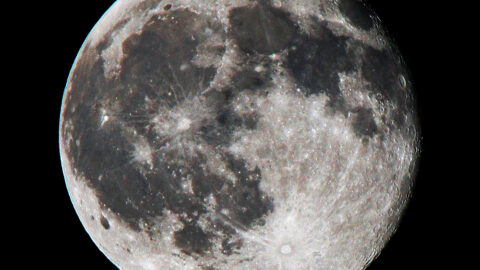
The crew’s lunar observations are an early draw, including their reports of impact flashes on the far side and the annotated photographs that accompany them — material that feeds estimates of the meteoroid environment any future surface habitat must withstand. Earth imagery, cabin audio and crew notes serve a different science: human factors. How the crew slept, worked, communicated and handled the capsule across the flight is evidence for the design of Artemis III’s landing campaign and the longer missions NASA says will follow.
There is also a plainer virtue. A public archive makes the mission auditable: claims about what was seen and measured can be checked against the record itself. GlobeNews9’s Health & Science Desk will follow the first studies built on the release as they appear.
Related reading: Space Debris Tracking Becomes a Core Part of Orbital Safety · Nobel Week Puts a Price and a Calendar on Scientific Prestige · Chemistry Nobel Rewards the Science of Mirror-Image Molecules