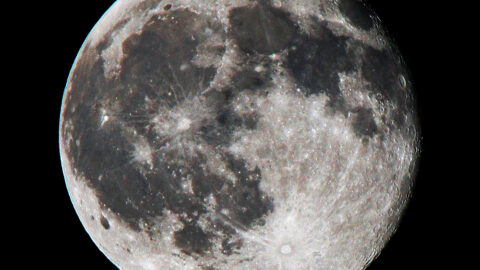

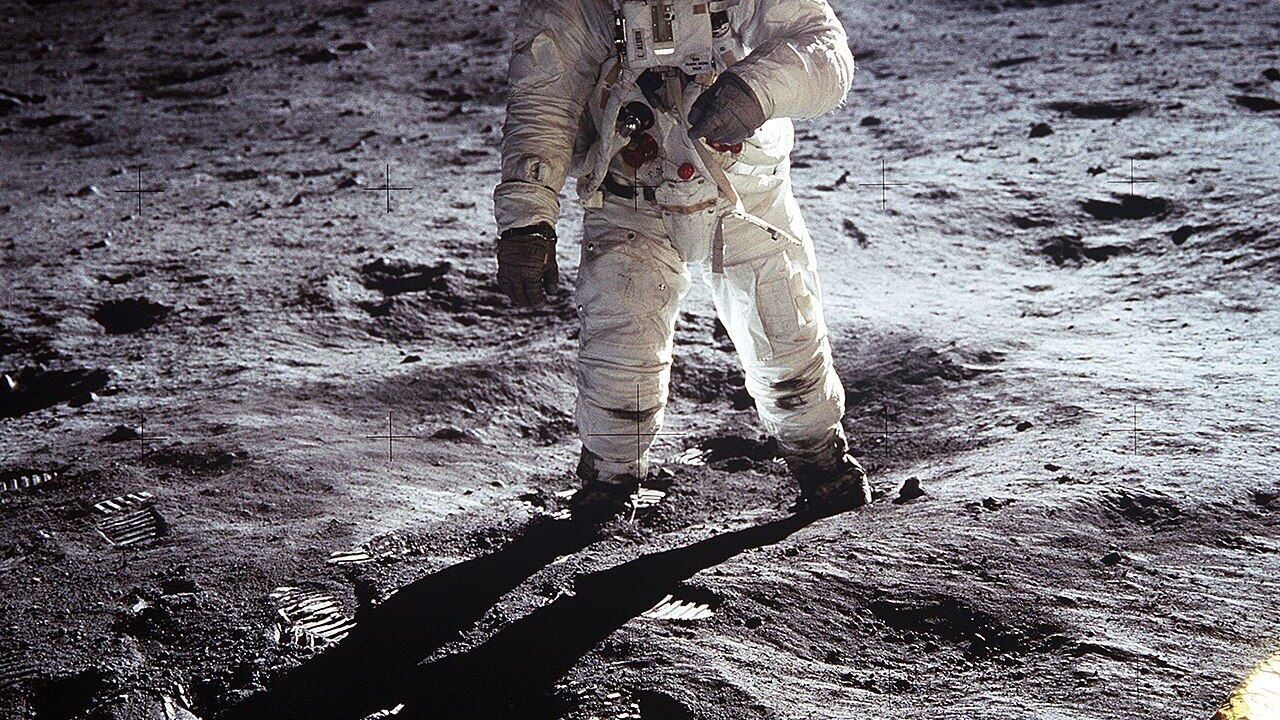
On October 9, 2026, NASA said the Artemis II crew watched impact flashes — brief bursts of light where debris strikes the lunar surface — while passing over the Moon’s far side during a planned loss of communications with Earth.
The flashes are a known lunar phenomenon with an unintuitive cause. Earth’s atmosphere burns up most incoming debris as meteors; the Moon has essentially no atmosphere, so grains and pebbles travelling at tens of kilometres per second hit the ground directly and vaporise in a flash of light and heat. Ground-based telescopes monitor the Earth-facing side on dark nights and log dozens of events a year, but the far side — permanently turned away from Earth — can only be watched from lunar orbit. That is where a crew becomes an instrument no telescope can replace.
NASA said the astronauts paired their observations with photographs, drawings and annotations, building a record that researchers can now mine. Human observers add something automated logs often miss: context. An astronaut can judge brightness against the darkened landscape, note whether a flash trailed or pulsed, estimate duration, and swing a camera toward a repeat event — judgements that help scientists convert a blink of light into an estimate of the impactor’s size and speed.
What the flashes are good for
The science is not only curiosity. Every flash is a data point in the meteoroid flux — the rate at which the Moon is sandblasted — and that rate feeds directly into engineering: how thick habitat shielding must be, how risky a long surface stay is, and where the debris environment around a future lunar base is most forgiving. A crewed far-side watch also calibrates the ground-based network, tying astronaut reports to telescope detections of the same population of objects.
The observations were made during a scheduled communications blackout, when the Moon itself blocked the link to mission control — a reminder that far-side operations, human or robotic, must be planned to work alone. GlobeNews9’s Health & Science Desk will follow the researchers’ analysis of the crew’s record as it is published.
Related reading: Space Debris Tracking Becomes a Core Part of Orbital Safety · Nobel Week Puts a Price and a Calendar on Scientific Prestige · Artemis II Science Data Release Opens a New Archive From the Moon Flight