
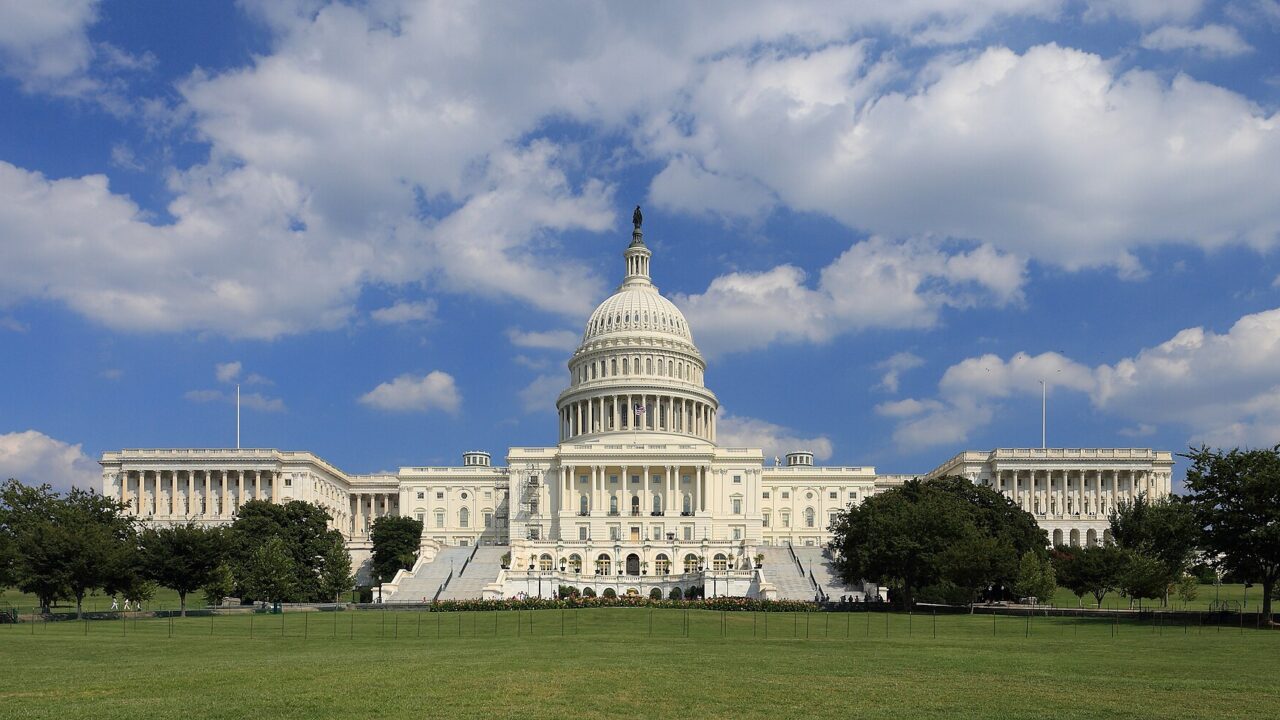
On October 9, 2026, Republicans in Congress raced to put the final touches on President Donald Trump’s sprawling domestic policy bill — a package that widens and extends tax relief while boosting border security and defence and shrinking social safety-net programmes — with final votes turning on whether near-perfect party unity can be held.
Mega-bills are how modern congressional majorities express everything at once, and everything is the problem. Tax cuts, border money, defence increases and safety-net reductions each command their own constituency and their own defectors; bundling them means every member can find a reason to vote no, and leadership’s craft lies in making the reason to vote yes heavier. With slim majorities in both chambers, Republican leaders need the kind of discipline that reconciliation bills periodically demand and periodically destroy: a handful of holdouts can rewrite the package in the final hours, and everyone in the Capitol knows the going rate of a holdout.
The opposition’s strategy, per the coverage, is definitional. Independent analysts have warned that millions of low-income Americans could lose health insurance under the safety-net provisions, a charge Democrats are using to define the bill before final votes — because the side that names a bill usually wins the argument about it. “Tax relief” and “health cuts” are both accurate descriptions of the same text, aimed at different voters, and the space between those descriptions is where the midterms will be fought.
The arithmetic after the rhetoric
What survives committee markups and floor amendments will tell the real story: whether the safety-net savings are structural or theatrical, whether the tax extensions are paid for or merely declared, and whether the majority’s unity was purchased with promises that come due later. GlobeNews9’s World & Politics Desk will follow the votes and the final text as the chambers act.
Every day of delay in finalising the text is also a day the opposition spends naming it — and leadership knows the first name attached to a bill is usually the one that survives.
Related reading: Trump Says He Will Not Resume Iran Strikes Before November Midterms · Reports Say Pentagon Prepared Iran Strike Options Before Midterms · Trump Budget Blueprint Seeks Deep Domestic Cuts and Higher Security Spending