
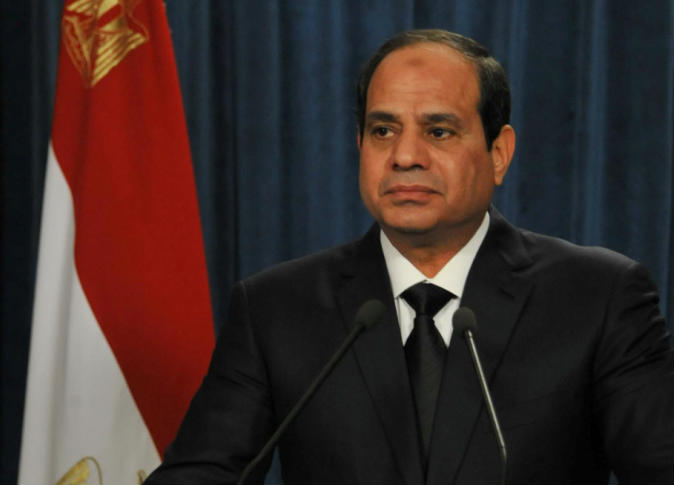
Egypt is preparing to stand behind Saudi Arabia if the kingdom requests military help, with President Abdel Fattah el-Sisi telling cadets it is “inconceivable” that Cairo would stand by while its Gulf ally’s security was threatened. Parliament was asked to convene an emergency session on Sunday to authorise any deployment.
Speaking at a graduation ceremony at the Egyptian Military Academy on Saturday, Mr Sisi said Egypt would take any measures to defend Saudi Arabia if asked — but insisted any action would be purely defensive. “I’m not talking about fighting anyone or attacking anyone,” he said. “We are speaking only about defence.” He said Egypt stood “with full force and support” behind the Gulf states.
A parliament vote — and what it could authorise
Mr Sisi said any deployment required parliamentary approval, and asked lawmakers to grant it in advance. The session was set for 1pm on Sunday. A presidency statement, issued after a National Defence Council meeting chaired by Mr Sisi, said Egypt would provide “all necessary and possible forms of support” to defend the kingdom’s security and stability, protect its resources and territorial integrity, and safeguard Islamic holy sites.
The pledge follows a sharp escalation in Houthi attacks since the war reignited in July. Recent strikes have hit Saudi energy facilities and Riyadh’s international airport — a campaign that shut Riyadh airport earlier this month — with one reported strike on the capital’s airport last week said to have killed more than a dozen people. The Iran-aligned group has also declared a maritime blockade on the kingdom and seized territory around the Bab al-Mandab strait, whose importance for Saudi oil exports has surged as Iran has threatened to close the Strait of Hormuz.
Why Cairo feels it must act
Egypt joined the Saudi-led coalition that intervened in Yemen in 2015, though its combat role stayed limited and its forces focused on securing Red Sea trade routes. Analysts say the new pledge places one of the region’s largest militaries inside a widening Gulf defence alignment, at a moment when the wider Iran conflict is already reshaping Middle Eastern security. For the United States the move matters: the kingdom is a central American defence partner, and any disruption to Saudi oil exports or Red Sea shipping would be felt at petrol pumps far beyond the Gulf.
The two countries are close strategic and economic partners: Gulf states provided billions of dollars in aid, central-bank deposits and investments after the military ouster of Islamist president Mohamed Morsi in 2013. The defence council meeting was attended by the parliamentary speaker, the prime minister and the army chief — a line-up that underlined how seriously Cairo is taking the request.